
Lessons Learned from the Maine Island Trail
Five Takeaways from a MITA Expedition
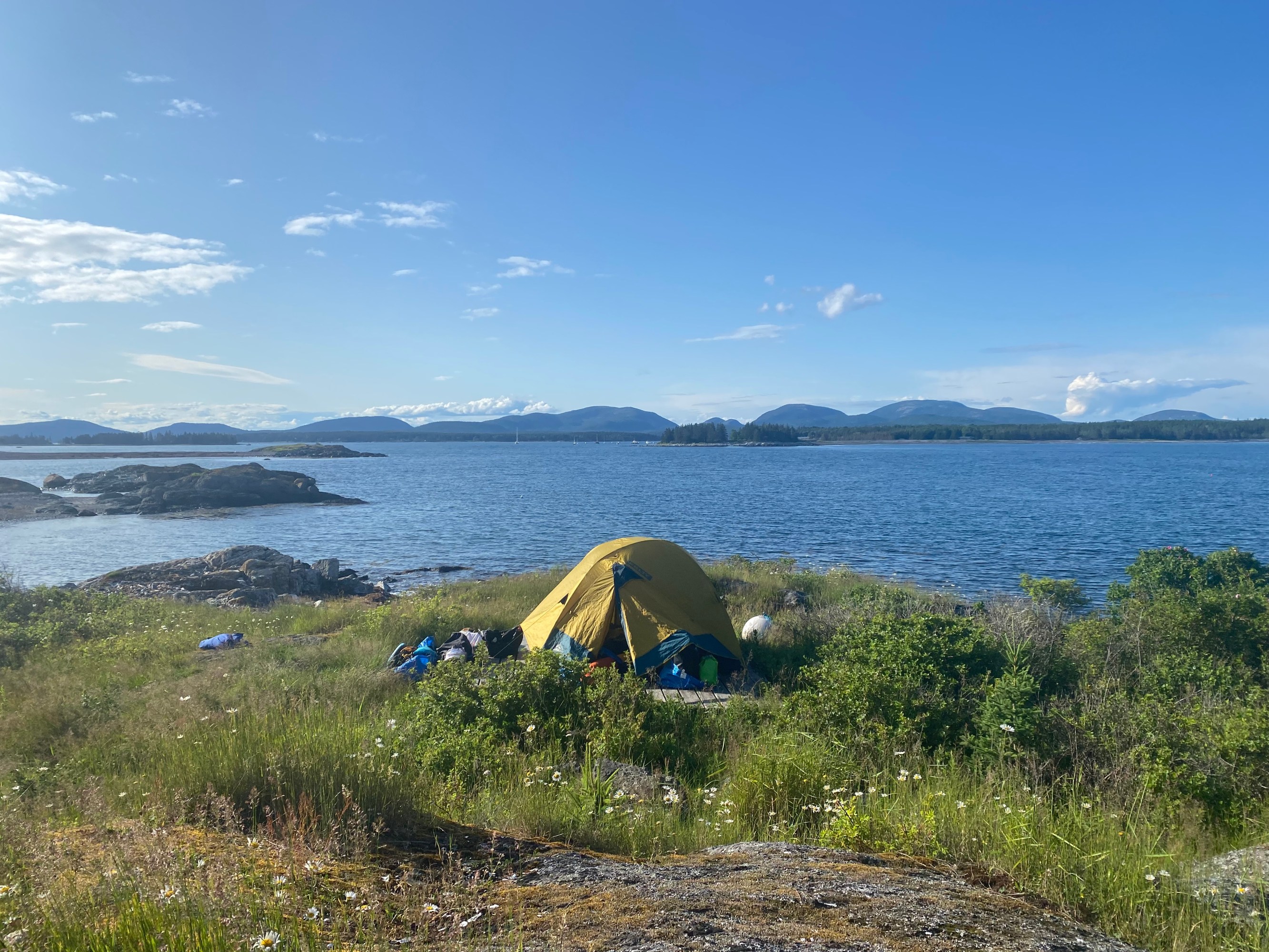
Portland Paddle Guide Paige Simenz originally fell in love with sea kayaking while guiding in Lake Superior’s Apostle Islands, and began working with us almost immediately after moving to Maine. She spent three weeks last summer thru-paddling nearly the entire coast of Maine from Machiasport to Portland. Below, she shares 5 lessons learned – both major tips and minor tweaks – to help you plan your own adventure.
1. MITA is a miracle.
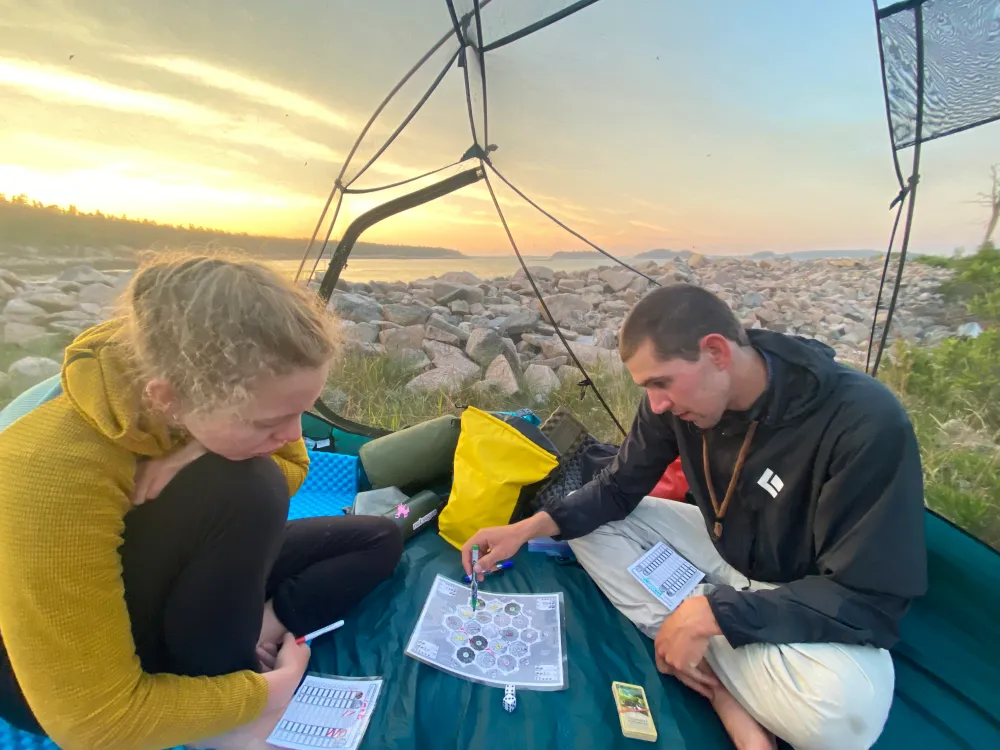
JOIN MITA! The Maine Island Trail Association is an amazing organization with all of the information you need on camping and launching/landing spots. After joining MITA ($35 is the lowest membership tier), we didn’t pay for camping for the entire trip. THAT’S INCREDIBLE! Interacting with MITA also feels so gratifying since this organization operates through the idea that opening land for public use does not necessarily put it at risk, as some are led to believe, but oftentimes improves stewardship and care.
2. Be more picky with your crew than with your gear.
Most of our boats, paddles, and dry bags came from Facebook Marketplace or loaners from (highly generous) friends with a wide variety of quality. Our crew, however, was top notch! We were three college roommates (each with prior sea kayaking experience) who’d already gone through the process of “forming, storming, and norming;” we’d successfully lived and traveled together, and even performed a med-evac down a river canyon all while remaining in good spirits. In my opinion, one of the most important things for your trip is selecting a crew that you can trust to take care of themselves, take care of each other, and make each other laugh when you’re damp, cold, and on your third straight day of fog.
3. Plan a route thoughtfully, but stay flexible.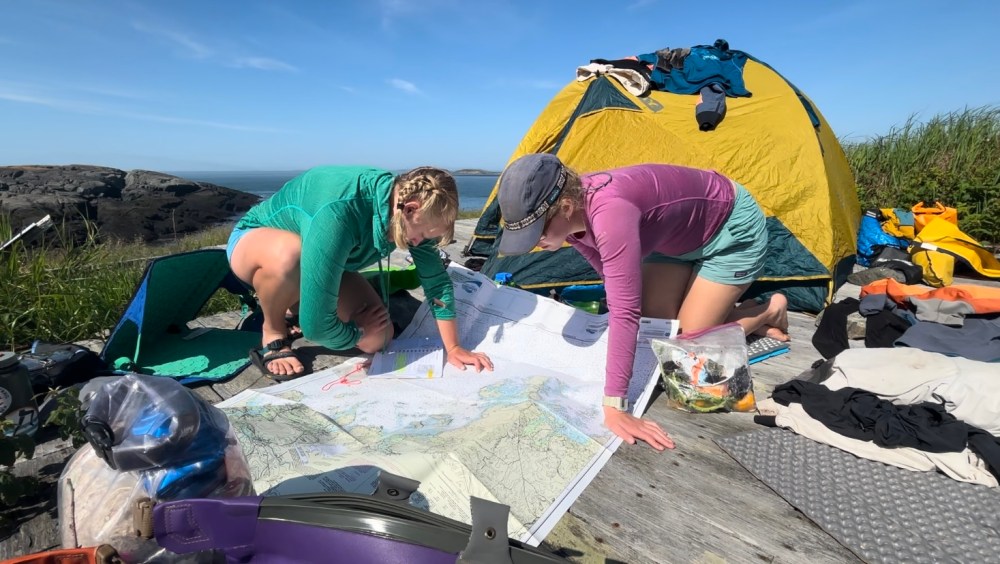
It’s important to spend time planning a route to familiarize yourself with different camping options and the associated risks or benefits of the path between them, and to figure out a general timeline for reaching your takeout destination. However, this plan will undoubtedly be disrupted by weather conditions, group morale, or the opportunity for an exciting new detour. I at first felt defensive of my original carefully-crafted route when it was challenged, but I eventually realized all of my advance planning work was still highly valuable for understanding the area, even when the specifics needed to change. This is another HUGE plug for the MITA app, which allows you to see all campsite areas in your vicinity on an interactive map.
4. The fog is not an empty threat.
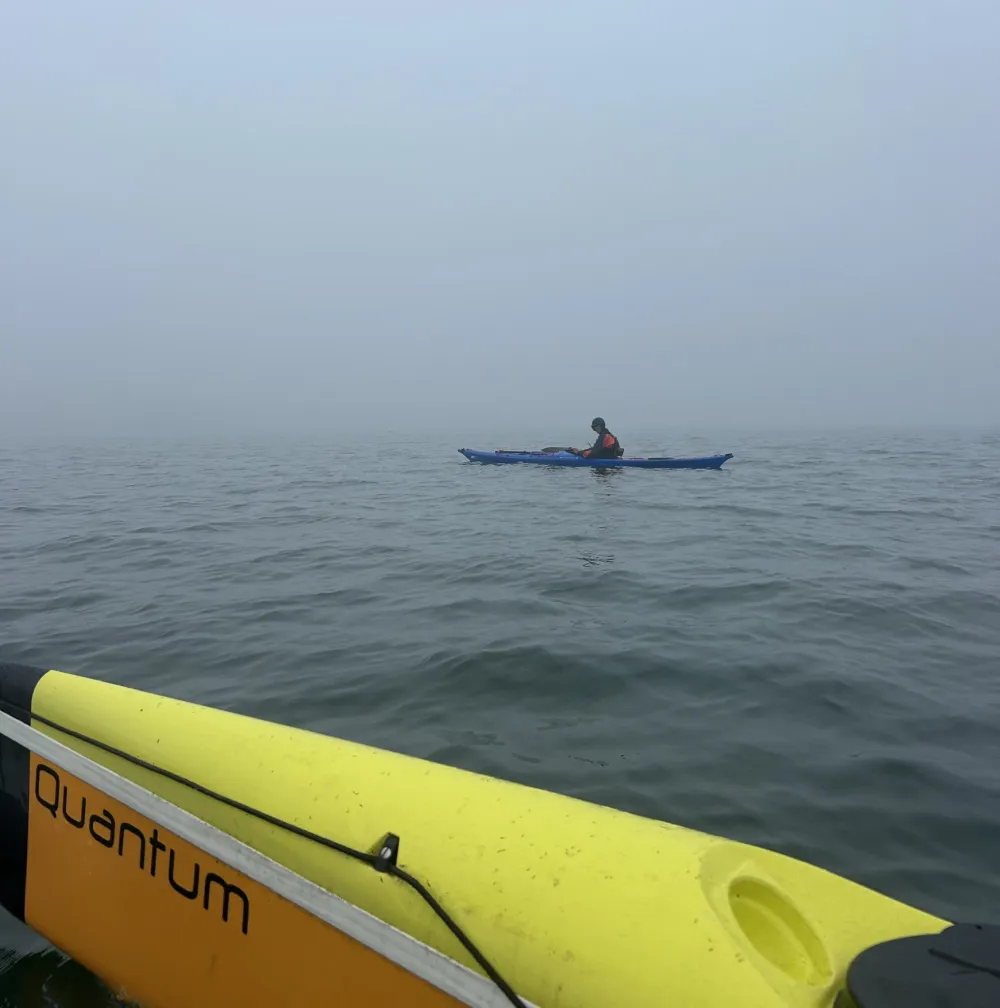
I wasn’t a believer until I spent day after day paddling with almost no visibility, but the Maine fog that you hear about is very real. It is extremely important to take this seriously and feel confident in using traditional navigation skills – like keeping a nautical chart on the deck to track ranges and using a deck compass – to safely complete a crossing. Additionally, in my opinion, there’s no shame in tracking your progress on a downloaded phone map as a backup to ensure you don’t majorly miss your mark. (It’s also a smart idea to take a sea kayak navigation course before you head out).
5. Consider closed-toed shoes (from a dedicated sandal-fan).
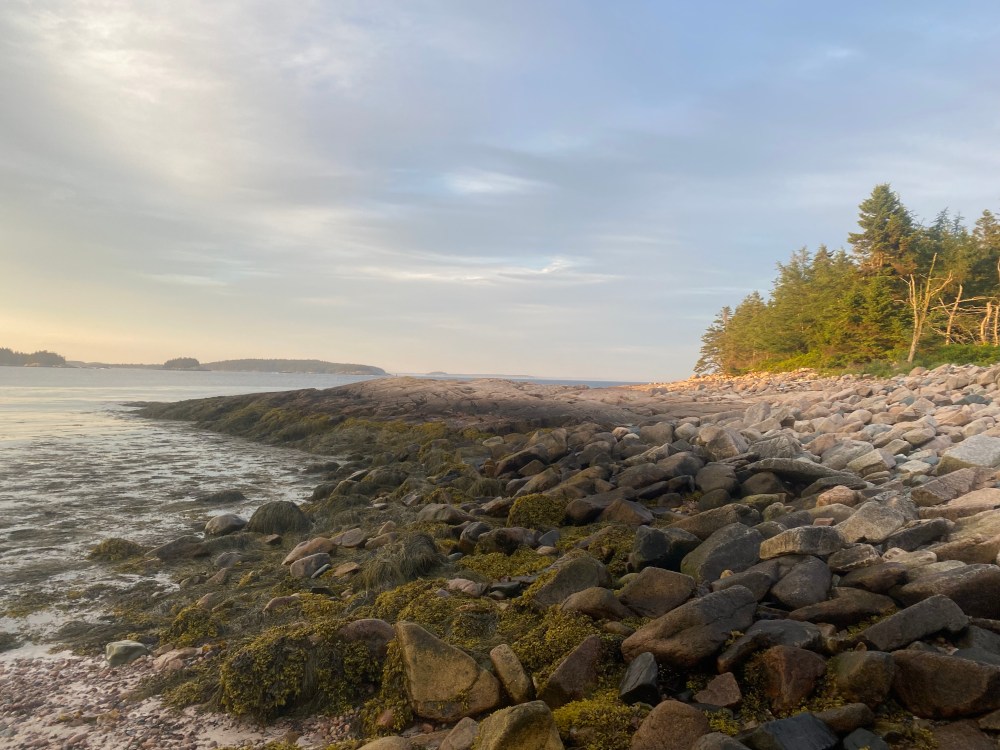
Landing at low tide in most spots on the coast of Maine is an adventure all in itself. Beaches tend to be made of unstable, round rocks covered in seaweed and barnacles. I only brought a pair of sandals for the whole trip. If I did it again, I would consider bringing some closed-toed shoes (nothing fancy, could just be old sneakers) to make each step a little less treacherous.
Looking for more tips on paddling the Maine Island Trail?
Check out our blog post, “How to Plan a Sea Kayak Trip on the Maine Island Trail.”